
HOW TO PREPARE FOR VOLLEYBALL CAMPS
The complete preparation guide for parents and athletes — from choosing the right camp and building physical fitness to packing your bag and making a lasting impression on coaches.
Updated April 2026 · Sources: USA Volleyball, JVA, NCSA, NBC Camps
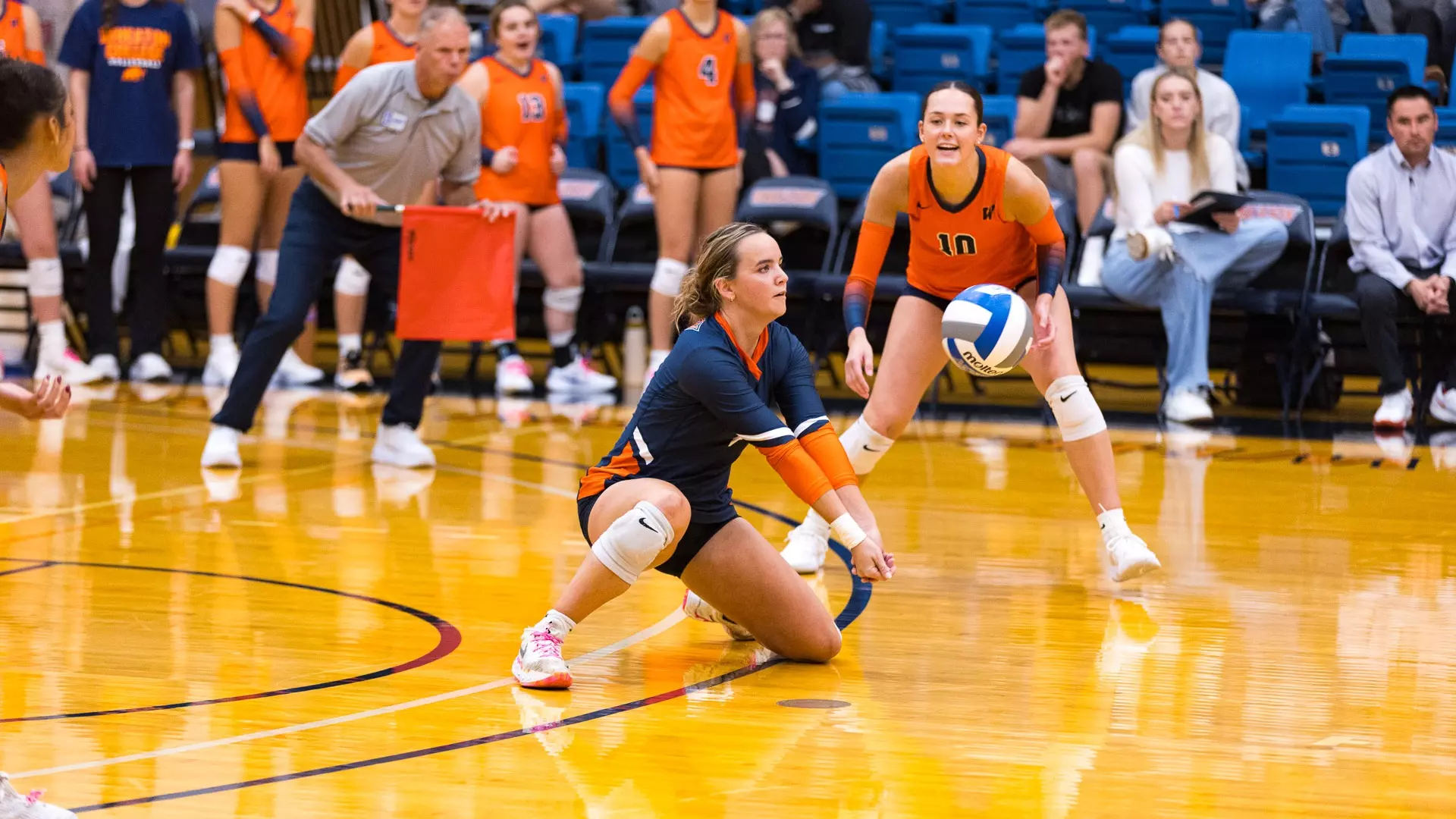
Why Camp Preparation Matters
Volleyball camps are one of the most concentrated learning environments an athlete will experience. In a single weekend, your athlete may log more focused repetitions than they would in a month of regular practice. But the athletes who get the most out of camp are not always the most talented — they are the most prepared.
Preparation is not just about packing the right gear. It is about arriving physically conditioned to handle multiple sessions per day, mentally ready to absorb coaching, and strategically positioned to make the most of every interaction — with coaches, teammates, and evaluators.
Whether your athlete is attending their first local skills camp or a college campus camp with recruiting implications, this guide covers everything you need to know — from the weeks leading up to camp through the critical follow-up steps that most families skip.
Types of Volleyball Camps
Not all camps serve the same purpose. Understanding the differences helps you choose the right experience for your athlete's current stage of development.
Skill-Specific Camps
These camps focus on a single skill — hitting, setting, passing, or serving — and are taught by specialized coaches. They are the best option for younger athletes who want to accelerate their development in a specific area without the pressure of evaluation. Most skill camps run half-day or full-day sessions and are a great entry point for athletes new to the camp experience.
College Campus Camps
College campus camps are run by the university's coaching staff and are one of the most valuable recruiting tools available. Athletes get coached directly by the staff, experience the campus environment, and can meet academic advisors. For athletes heading into their junior or senior year who already have a target school list, these camps offer a chance to build a real relationship with the coaching staff.
Showcases & Combines
Showcases and combines are designed to test an athlete's raw athleticism and skill level in front of multiple college coaches at once. They typically include conditioning drills that measure speed, strength, vertical jump, and standing reach, followed by position-specific court drills and live game play. Some events offer live-streaming so coaches who cannot attend in person can still evaluate athletes.
Summer Tournaments
Major summer tournaments — like the USA Volleyball Junior National Championships — bring together the best club teams in the country and attract hundreds of college coaches. Because NCAA recruiting restrictions are more relaxed during the summer, coaches can watch athletes compete live and make direct contact. These events are less about instruction and more about high-level competition and visibility.
Your Camp Preparation Timeline
The best camp experiences start weeks before check-in. This timeline covers the physical, mental, and logistical preparation that separates athletes who thrive from those who just survive.
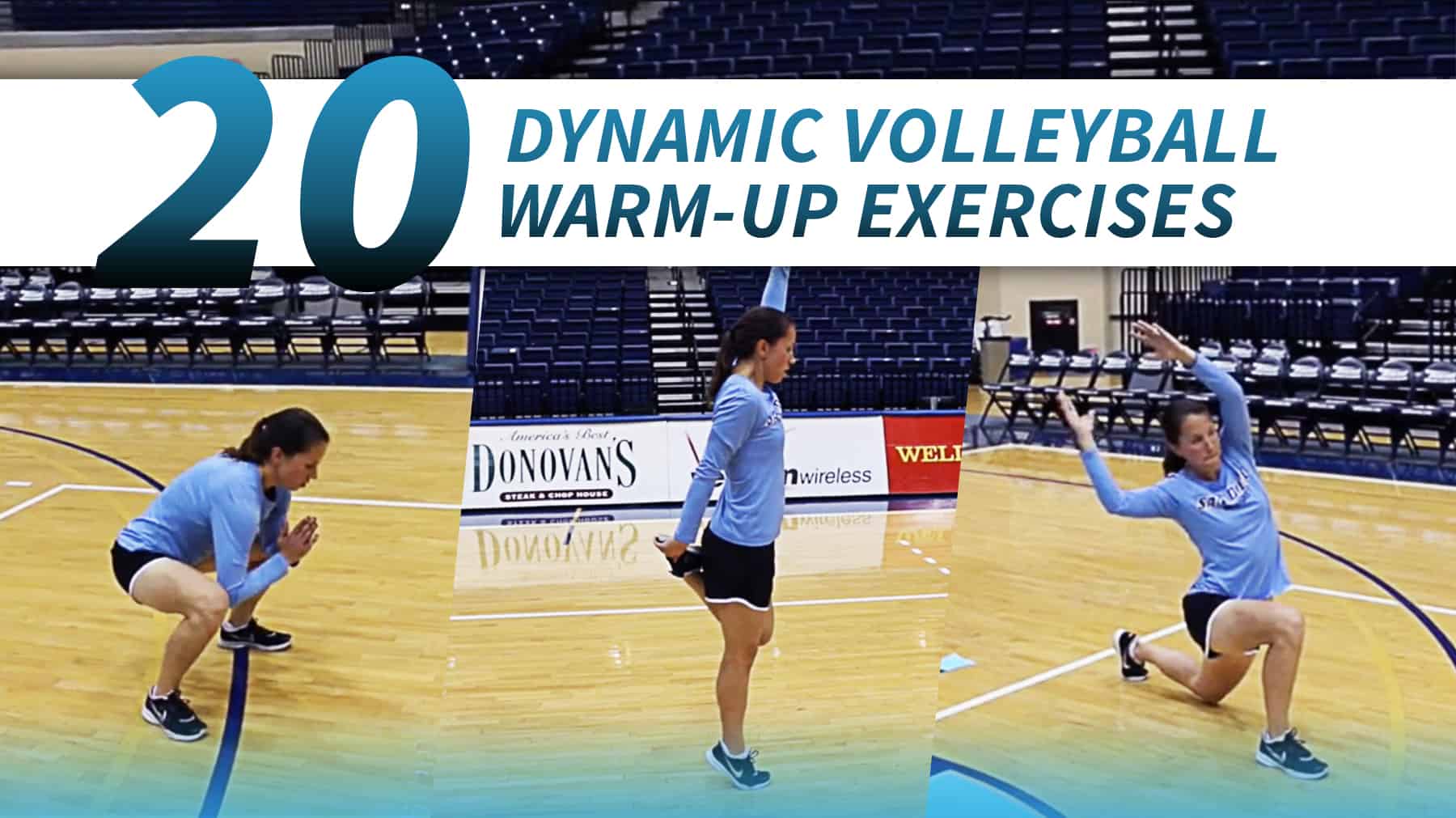
Build Your Base
- Start volleyball-specific conditioning: lateral shuffles, vertical jump work, quick direction changes
- Establish a consistent sleep schedule (8–10 hours for teen athletes)
- Begin hydration habits — drink half your body weight in ounces daily
- Review the camp schedule and identify what skills will be emphasized
Sharpen Your Skills
- Practice the specific skills the camp will focus on (passing, hitting, serving)
- Work on conditioning endurance — simulate back-to-back training sessions
- Start packing early so nothing is forgotten
- If attending a college camp, research the coaching staff and program
Mental & Physical Taper
- Reduce training intensity — focus on staying sharp, not building fitness
- Visualize yourself performing well: passing clean, hitting with confidence, communicating
- Prepare your positive self-talk mantra (e.g., 'Next ball mentality')
- Confirm travel logistics, check-in times, and required paperwork
Game Day Ready
- Pack your bag the night before — use the checklist below
- Eat a balanced meal: complex carbs, lean protein, vegetables
- Hydrate steadily throughout the day (not all at once)
- Arrive 15–20 minutes early to settle in and reduce stress
Nutrition and Hydration for Camp
Multi-session camp days demand more from your athlete's body than a typical practice. Proper fueling is not optional — it directly impacts energy, focus, and injury prevention.
Hydration
- Before camp: Establish hydration habits 3–5 days before. Drink half your body weight in ounces daily.
- During sessions: USA Volleyball recommends 3–5 oz of water every 15–20 minutes of activity. One gulp is approximately one ounce.
- Multi-session days: Add electrolyte packets or sports drink mix to replace sodium and potassium lost through sweat.
- Warning signs: Dark urine, headaches, dizziness, or muscle cramps signal dehydration. Address immediately.
Nutrition
- Pre-session meal (2–3 hrs before): Complex carbs + lean protein. Examples: oatmeal with banana, whole-grain toast with peanut butter, grilled chicken with rice.
- Between sessions: Light, easily digestible snacks — granola bars, fruit, trail mix, yogurt. Avoid heavy or greasy foods.
- Post-session recovery: Protein within 30 minutes of finishing. Chocolate milk, protein shake, or a balanced meal with carbs and protein.
- Avoid: Large sugar spikes (candy, soda), heavy meals right before training, and skipping meals entirely.
Mental Preparation: The Edge Most Athletes Miss
According to the Junior Volleyball Association, mental preparation is one of the most overlooked aspects of camp readiness. Athletes who arrive with a mental game plan consistently outperform those who rely on talent alone.
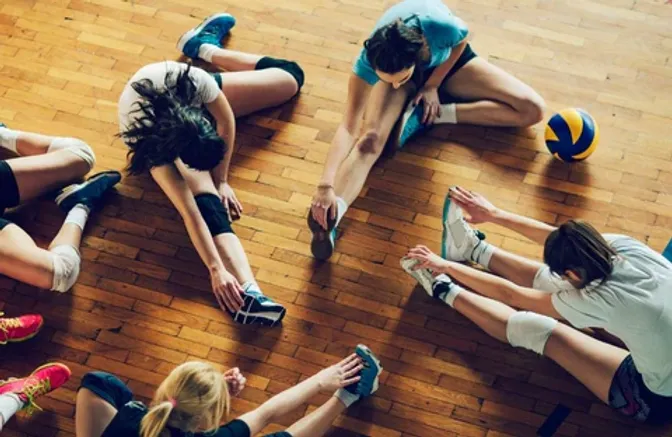
Before Camp
- •Set 2–3 specific goals (e.g., 'improve my serve receive' rather than 'play well')
- •Visualize yourself performing confidently — see clean passes, strong swings, clear communication
- •Create a positive self-talk mantra: 'Next ball mentality' or 'I belong here'
During Camp
- •Focus on effort and attitude, not outcomes — coaches notice hustle and coachability
- •When you make a mistake, reset immediately. The 'next ball' mindset is a skill, not a personality trait
- •Ask questions. Coaches remember athletes who are engaged and curious
After Camp
- •Reflect on what you learned — write down 3 takeaways while they are fresh
- •Identify one skill to work on before your next training session
- •Thank your coaches. A brief, genuine thank-you goes further than most athletes realize
The Complete Camp Packing Checklist
Pack the night before. Athletes who scramble to find gear on camp morning start the experience stressed — and stress compounds throughout the day.
COURT GEAR
- Volleyball shoes (broken in, not new)
- Kneepads (bring 2 pairs)
- Ankle braces or athletic tape (if needed)
- Multiple pairs of athletic socks
CLOTHING
- 3–5 sets of athletic shirts and shorts
- Compression shorts or spandex
- Warm-up jacket or hoodie
- Sleepwear and casual clothes (overnight camps)
NUTRITION & HYDRATION
- Large insulated water bottle (32+ oz)
- Electrolyte packets or sports drink mix
- Granola bars, trail mix, fruit
- Peanut butter packets or protein snacks
RECOVERY & HEALTH
- Foam roller or massage ball
- Ice pack (reusable)
- Band-aids and blister pads
- Sunscreen (SPF 30+) for outdoor travel
OVERNIGHT ESSENTIALS
- Extra-long twin sheets (for dorm beds)
- Pillow and pillowcase
- Bath towel and washcloth
- Toiletries (toothbrush, deodorant, shampoo)
How to Get Noticed at Camp
According to USA Volleyball, athletes do not typically get "discovered" at a single camp. Coaches take a longer, more holistic view when evaluating potential recruits. But there are specific behaviors that consistently make a positive impression.
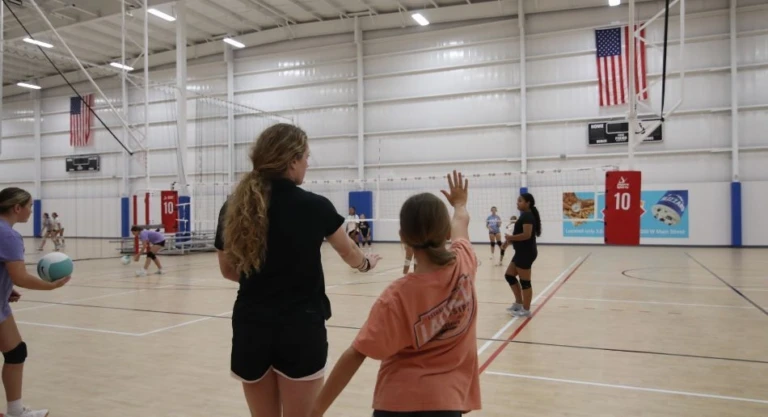
Be proactive before you arrive. If you are attending a college camp, email the coaching staff ahead of time to let them know you will be there and that you are looking forward to learning from them. This simple step puts your name on their radar before the first whistle.
Every moment is an evaluation. Coaches are watching more than your volleyball skills. Your attitude during water breaks, how you pick up equipment, the way you talk to other campers, and your body language after a mistake all factor into their assessment. The athletes who stand out are the ones who bring energy and effort to every moment — not just the drills.
Demonstrate coachability. When a coach gives you feedback, make eye contact, nod, and immediately try to apply it. Coaches are not looking for athletes who already do everything perfectly — they are looking for athletes who respond to coaching and improve in real time.
Follow up after camp. Send the coaching staff an updated highlight video, thank them for the experience, and ask for specific feedback on what skills to continue working on. Most athletes skip this step entirely — which means the ones who do it stand out immediately.
The Parent's Role at Camp
USA Volleyball is direct about this: college coaches do not just evaluate athletes at recruiting events — they evaluate parents, too. A parent's behavior becomes a reflection of the entire family.
Do
- Act like someone is always watching — because they probably are
- Be present and supportive without inserting yourself into the coaching
- Know the NCAA contact rules for the division level your athlete is targeting
- After camp, ask your athlete what they learned rather than critiquing their performance
- Model calm, positive behavior in the stands and at concession areas
✕Don't
- Coach your athlete from the sidelines during drills or scrimmages
- Complain to or with other parents about coaching decisions or playing time
- Approach a college coach during a session — they may be following NCAA contact rules
- Yell at officials or coaches about calls
- Pressure your athlete to "perform" — camps are for learning, not auditions
THE PACE CONNECTION
How PACE Helps You Prepare for Camp
The PACE assessment measures four competitive traits — Pressure Response, Adaptability, Coachability, and Effort Consistency — that directly impact how an athlete performs in high-intensity camp environments. Understanding your PACE profile before camp helps you set better goals, manage pressure more effectively, and communicate your strengths to coaches.
For example, athletes with high Adaptability scores tend to thrive in unfamiliar camp settings, while athletes with strong Coachability scores make faster improvements during intensive coaching sessions. Knowing your profile helps you play to your strengths and prepare for the areas where camp will challenge you most.
Frequently Asked Questions
The questions parents and athletes ask most about volleyball camp preparation.
What age should my child start attending volleyball camps?
Most skill-specific camps accept athletes as young as 10–12 years old. College-level camps and showcases are more appropriate for athletes in their sophomore year of high school and older, when they have a clearer sense of their recruiting goals. There is no rush — younger athletes benefit more from fundamental skill development than exposure events.
How do I choose the right camp for my child?
Start with your goals. If your athlete needs skill development, choose a skill-specific or position camp. If they are actively being recruited, prioritize college campus camps at their target schools. Ask your club coach for recommendations — they often know which camps are well-run and which college coaches attend specific events.
Should my child attend a camp if they are not being recruited?
Absolutely. Camps are valuable for skill development at every level, not just recruiting. Even if your athlete is not yet on a college coach's radar, attending a well-coached camp can accelerate their growth, build confidence, and help them understand what the next level requires.
What should my child do if they make a mistake at camp?
Mistakes are expected — coaches know that. What matters is how your athlete responds. The best approach is the 'next ball' mentality: acknowledge the error, reset immediately, and focus on the next play. Coaches evaluate resilience and coachability far more than perfection.
How can parents support their athlete at camp without overstepping?
Be present but not intrusive. Avoid coaching from the sidelines, complaining to other parents, or approaching coaches during sessions. College coaches evaluate families as well as athletes — a calm, supportive parent presence reflects well on the entire household. After camp, ask your athlete what they learned rather than critiquing their performance.
What if my child gets a camp invite but cannot attend?
Reach out to the coach directly, thank them for the invitation, and let them know you will not be able to make it. Offer to send an updated highlight video or suggest another time the coach can watch your athlete compete. A polite, proactive response keeps the relationship alive.
Related Guides
Know Your Competitive Edge Before Camp
The PACE assessment reveals how your athlete handles pressure, adapts to new environments, responds to coaching, and sustains effort — the exact traits coaches evaluate at camp. It takes 5 minutes and it is completely free.