
Volleyball Positions Explained:
The Complete Guide
Every player on a volleyball court has a specific job. Understanding what each position does — and which one fits your athlete — is the first step toward smarter development, better team chemistry, and more confident play. This guide breaks down all six positions with the detail that parents and athletes actually need.
Court Positions Overview
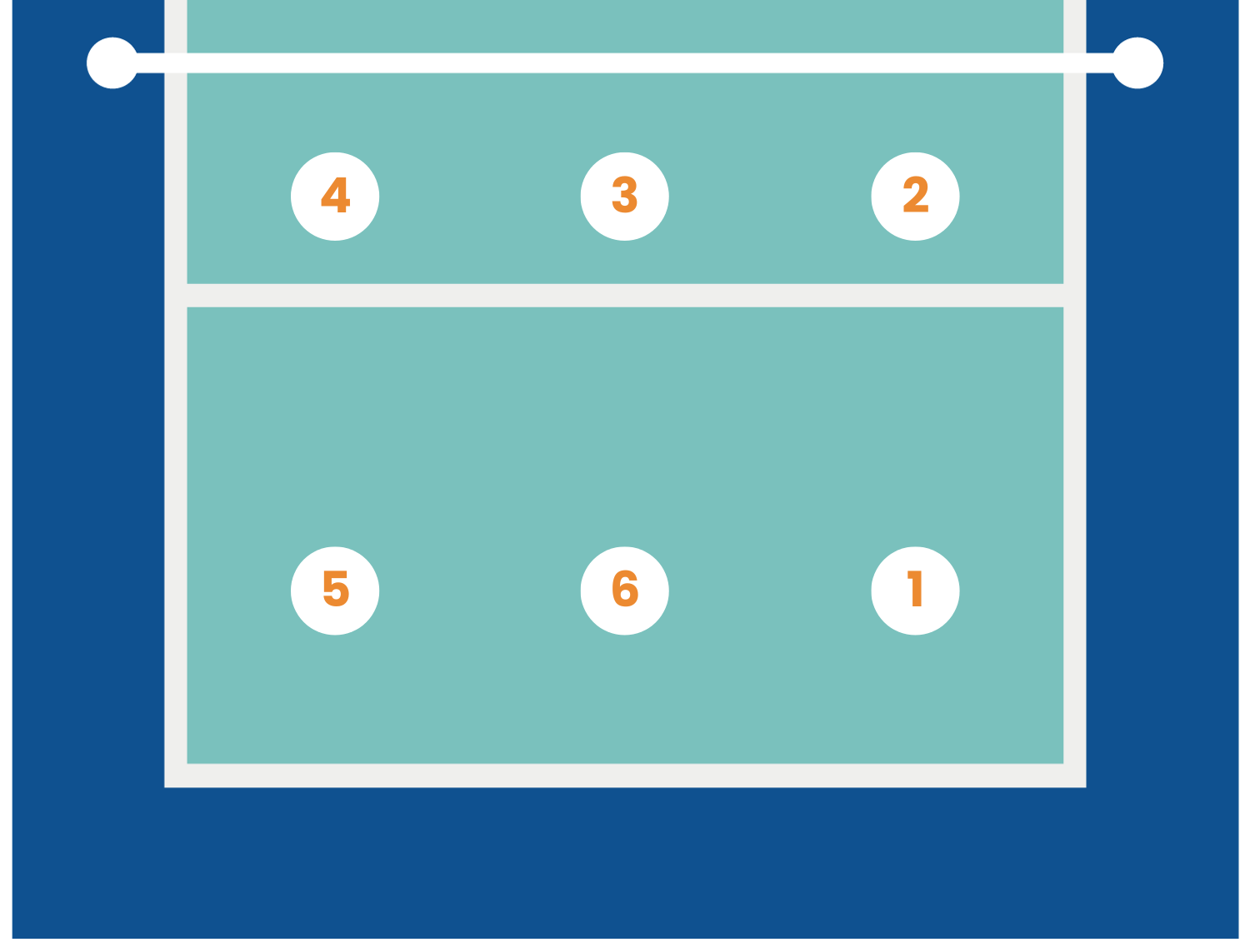
Standard volleyball court positions: Zone 4 (Outside Hitter), Zone 3 (Middle Blocker), Zone 2 (Opposite/Setter), Zone 5 (Left Back), Zone 6 (Middle Back/Libero), Zone 1 (Right Back)
All 6 Positions — Deep Dive
Each position in volleyball demands a unique combination of physical ability, mental toughness, and personality. Here is what every parent and athlete needs to know about each role — from what they do on the court to what kind of athlete thrives there.
Setter
The QuarterbackRight side (front & back row)
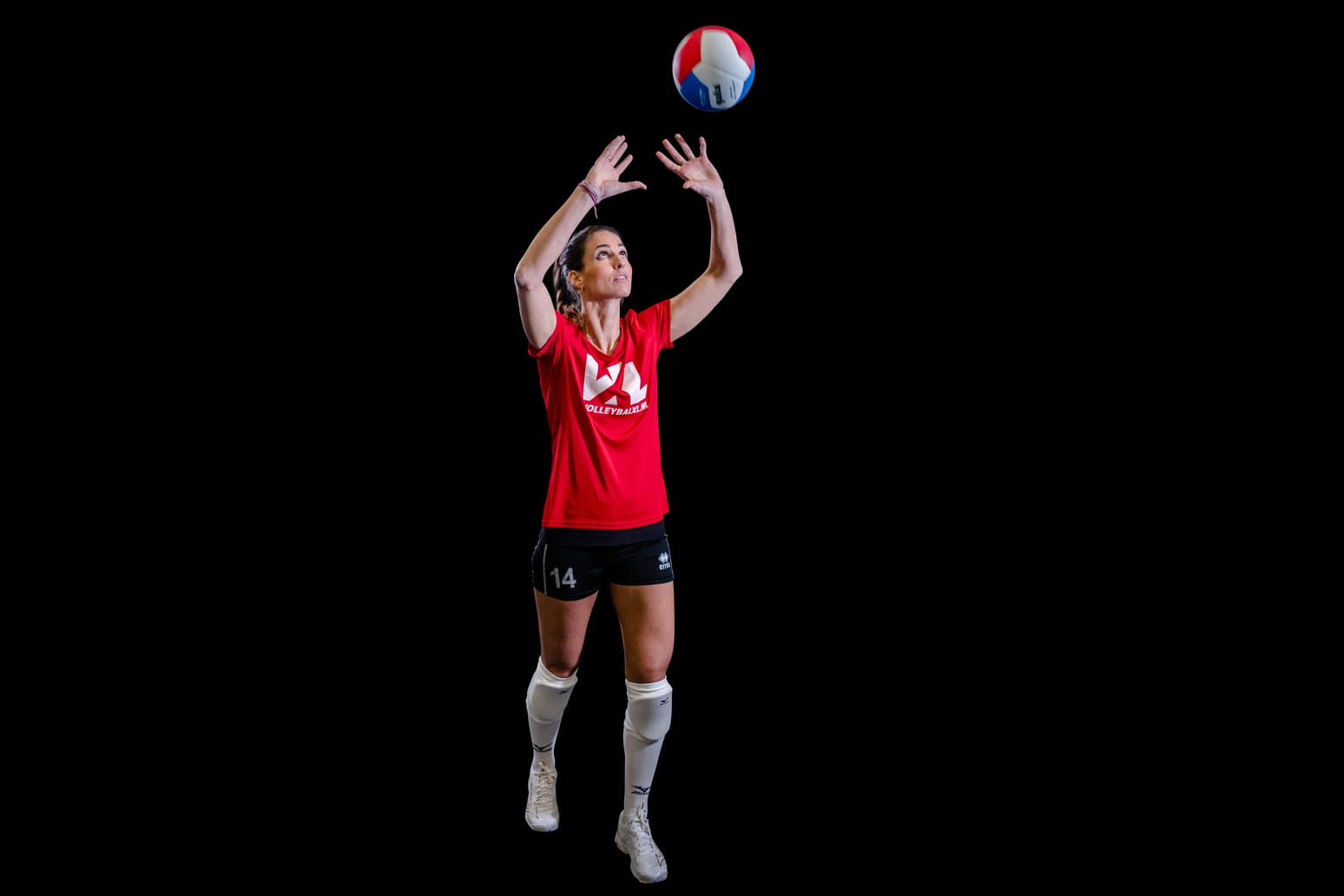
What They Do
The setter is the playmaker who orchestrates every offensive play. They take the second contact and deliver a hittable ball to one of the attackers. Think of them as the point guard in basketball or the quarterback in football — they read the defense, decide where the ball goes, and control the tempo of the match. A great setter makes average hitters look good and good hitters look unstoppable.
Key Skills
- Court vision & decision-making
- Precise hand-setting technique
- Leadership & communication
- Quick feet to beat the ball to target
Profile
Parent Tip
Setters don't need to be the tallest player on the court. They win with poise, precision, and leadership. If your athlete is the one organizing pickup games and calling the shots, they might be a natural setter.
At the college level, setters touch the ball more than any other player on the court — often 10+ times per rally.
Outside Hitter
The Go-To AttackerLeft side (front & back row)
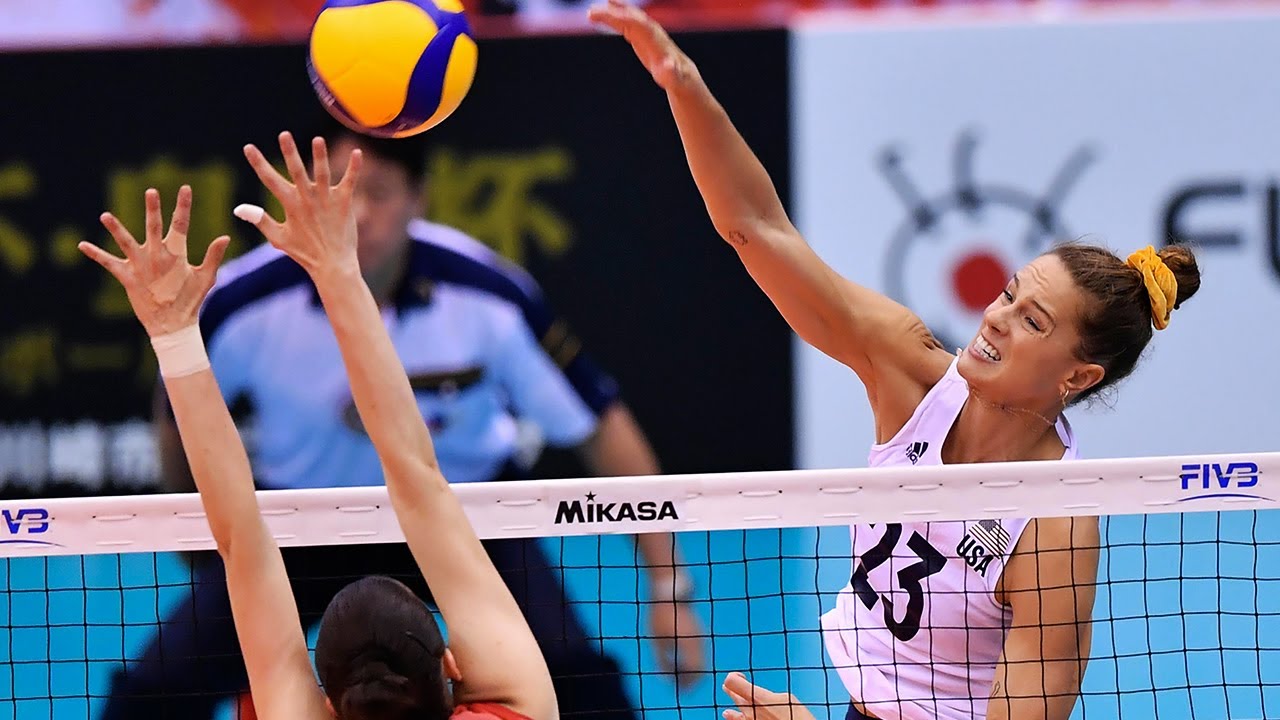
What They Do
The outside hitter is the most complete player on the court. They attack from the left side, pass in serve receive, play back-row defense, and are the go-to option when the play breaks down. At the college level, outside hitters receive over 60% of all sets in a match. When the setter is in trouble, the ball goes to the outside — every time.
Key Skills
- Powerful and consistent attacking
- Strong serve-receive passing
- Back-row defense
- Ability to score on imperfect sets
Profile
Parent Tip
If your athlete loves being in the middle of the action and doesn't shy away from pressure, outside hitter is one of the most involved and rewarding positions in volleyball.
Outside hitters are often called "passers who can hit" because elite programs value their passing ability just as much as their attacking.
Middle Blocker
The WallCenter of the net (front row only in most systems)
What They Do
The middle blocker is the anchor of the team's net defense. They start every play in the center and must read the opposing setter to close blocks on either side. On offense, they run quick attacks — fast, low sets that catch the defense off guard. They also serve as decoys, pulling blockers to the center so outside and opposite hitters face fewer hands at the net.
Key Skills
- Quick lateral movement along the net
- Shot-blocking and reading hitters
- Fast-tempo attacking (quick sets)
- Timing over raw height
Profile
Parent Tip
Yes, middles tend to be tall. But timing, footwork, and fast reads are what separate good middles from great ones. Height helps, but it's not everything — especially at the youth level.
Middle blockers are involved in blocking on roughly 60% of all plays, making them the most active defenders at the net.
Opposite Hitter
The Versatile WeaponRight side (front & back row)
What They Do
The opposite hitter plays on the right side of the court, directly across from the outside hitter. Their primary jobs are attacking from the right side and blocking the opponent's best attacker (the outside hitter). In many systems, the opposite is the second-highest scorer on the team. They're less involved in passing than outside hitters, which lets them focus on scoring and blocking.
Key Skills
- Right-side attacking
- Strong blocking against outside hitters
- Back-row attacking
- Versatility in multiple phases
Profile
Parent Tip
This position rewards athletes who stay calm, read the game well, and can do a little bit of everything. If your athlete is self-reliant and doesn't need the spotlight to stay motivated, opposite might be their fit.
In international volleyball, the opposite hitter is often the highest-paid position on professional teams because of their scoring ability.
Libero
The Defensive AnchorBack row only (wears a different jersey)
What They Do
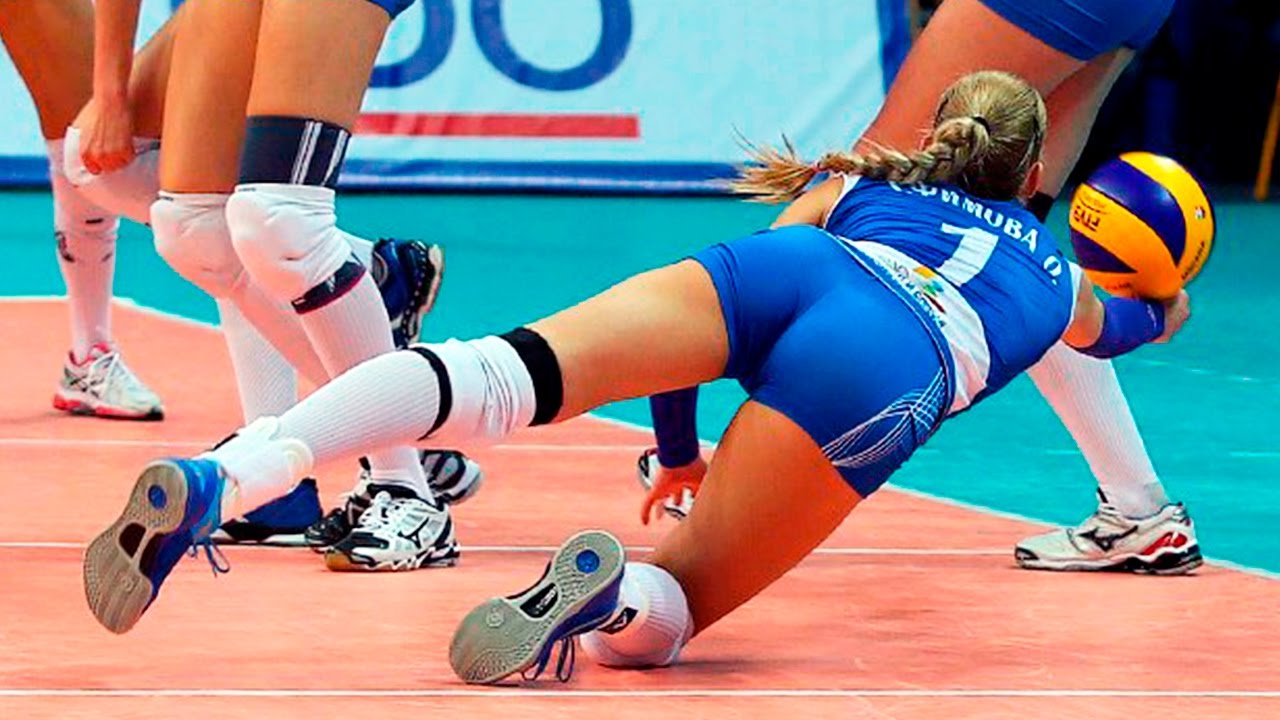
The libero is the defensive specialist who wears a different colored jersey and plays exclusively in the back row. They cannot attack above the net or serve in some leagues (though they can serve in others). Their job is to stabilize the team's passing and defense — turning hard-driven balls into controlled passes that the setter can work with. The libero substitutes freely without counting against the team's substitution limit.
Key Skills
- Elite serve-receive passing
- Defensive digging
- Court reading and anticipation
- Backup setting ability
Profile
Parent Tip
If your athlete is quick, fearless, and loves the grind of defense, the libero position can be a perfect spotlight for their strengths. This is one of the few positions where being shorter is actually an advantage — lower center of gravity means faster reaction time.
The libero position was introduced by FIVB in 1998 specifically to extend rallies and make the game more exciting for spectators.
Defensive Specialist
The Utility PlayerBack row (substitutes in for specific rotations)
What They Do
The defensive specialist (DS) substitutes into the back row to strengthen the team's passing and defense. Unlike the libero, the DS uses a regular substitution and can serve. They typically replace a front-row player who struggles in the back row — often a middle blocker. The DS is a critical role for team depth and is often the first player off the bench.
Key Skills
- Consistent passing
- Back-row defense
- Serving
- Adaptability to different game situations
Profile
Parent Tip
DS is one of the best development roles in volleyball. Athletes who earn court time through consistency and toughness often develop into complete players. Many college outside hitters started as defensive specialists in club.
Defensive specialists often have the highest serve-receive efficiency on the team because they're specifically chosen for their passing ability.
Position Comparison Table
How do the positions stack up against each other? This table shows the relative emphasis each position places on five core volleyball skills. More stars means that skill is more central to the role.
| Position | Offense | Defense | Blocking | Passing | Leadership |
|---|---|---|---|---|---|
| Setter | ★★★★★ | ★★★ | ★★ | ★★★★ | ★★★★★ |
| Outside Hitter | ★★★★★ | ★★★★ | ★★★ | ★★★★★ | ★★★★ |
| Middle Blocker | ★★★ | ★★ | ★★★★★ | ★ | ★★★ |
| Opposite Hitter | ★★★★ | ★★★ | ★★★★ | ★★ | ★★★ |
| Libero | ★ | ★★★★★ | N/A | ★★★★★ | ★★★★ |
| Defensive Specialist | ★ | ★★★★ | N/A | ★★★★★ | ★★★ |
Rotation Systems Explained
One of the most confusing parts of volleyball for new families: players rotate clockwise after winning a side-out, but their role stays the same. The rotation system a team uses determines how many setters are on the court and how the offense is structured. Here are the three most common systems.
One setter runs the offense from all six rotations. When the setter is in the front row, the team has two hitters up front. When the setter is in the back row, all three front-row players can attack.
Two players share the setting duties. Whichever setter is in the back row does the setting, while the other plays as a hitter in the front row. This gives the team three front-row attackers at all times.
Two setters only set from the front row. This is the simplest system — the setter closest to the net takes the second ball. It limits offensive options but is easy to learn.
Simple rule of thumb: Front-row players can attack and block at the net. Back-row players focus on defense and serve receive, with restrictions on attacking above the net from in front of the 10-foot line.
How Coaches Assign Positions
Parents often wonder why their athlete was placed at a specific position. The truth is that good coaches evaluate far more than height and athleticism. Here is what goes into the decision — and why early versatility matters more than early specialization.
Ball Control
Passing and setting consistency is the foundation. Athletes who can control the ball reliably earn more court time — regardless of position.
Athletic Traits
Speed, coordination, vertical jump, and reaction time. These physical tools help coaches identify which positions an athlete can grow into.
Court IQ & Coachability
How well does the athlete read the game? Do they adjust after feedback? Athletes who learn fast and communicate well often end up in leadership positions like setter.
Team Needs
Sometimes position assignment is about building a balanced lineup. A team with three strong hitters but no libero needs someone to step into that role.
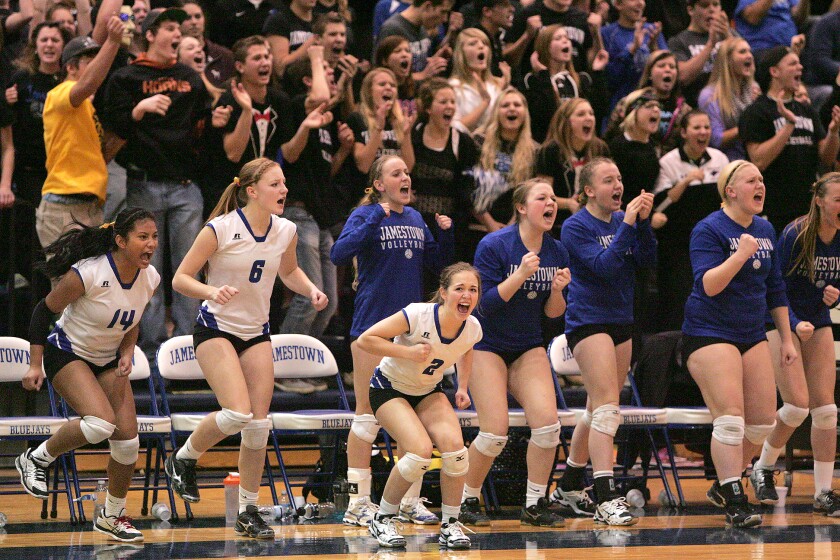
The best teams have athletes who embrace their role and elevate each other
How PACE Connects to Position Fit
PACE measures how an athlete competes — their behavioral tendencies under pressure, their leadership style, and how they contribute to team chemistry. These traits often align naturally with specific positions:
Pioneer
Outside Hitter, Opposite
Fearless competitors who thrive under pressure and lead by example
Ace
Setter, Libero
Precise, composed athletes who control tempo and make smart decisions
Commander
Setter, Middle Blocker
Natural leaders who organize the team and hold others accountable
Elite
Any position
Versatile athletes who adapt their game to whatever the team needs
When your athlete takes the free PACE assessment, coaches can see not just their physical skills but how they process competition and contribute to team dynamics. This helps match athletes to positions where they will develop fastest and compete most effectively.
Frequently Asked Questions
The most common questions parents and athletes ask about volleyball positions — answered with the detail you actually need.
What is the best volleyball position for beginners?
Most beginners start in roles that build strong all-around fundamentals — especially passing and defense. Many coaches rotate younger athletes through multiple positions before specializing, which builds versatility and helps identify natural strengths.
Can my child change positions as they get older?
Absolutely. Position changes are common and often encouraged. A middle blocker at 12 might become an outside hitter at 15 as their skills and body develop. Many college athletes play a different position than they started with in club.
Does my child need to be tall to play volleyball?
No. While height helps at certain positions (middle blocker, opposite), positions like libero and defensive specialist actually favor shorter, quicker athletes. Setters can succeed at any height with the right skills. At the youth level, skill development matters far more than size.
What's the difference between a libero and a defensive specialist?
Both focus on defense, but the libero is a specialized role with unique substitution rules — they can sub freely without counting against the team's limit, wear a different jersey, and play only in the back row. A defensive specialist uses regular substitutions and can serve.
How do coaches decide what position my child plays?
Coaches evaluate a combination of factors: ball control and passing consistency, athletic traits like speed and vertical jump, court awareness, coachability, and the team's overall needs. The best coaches also consider your athlete's personality and competitive temperament.
What does PACE have to do with volleyball positions?
PACE measures how an athlete competes, processes pressure, and contributes to team chemistry. Certain PACE archetypes naturally align with specific positions — for example, athletes with strong leadership and decision-making traits often thrive as setters, while fearless competitors may excel as outside hitters.
Ready to Find Your Athlete's Best Fit?
Understanding positions is the first step. The PACE assessment reveals which competitive traits your athlete brings to the court — and which positions match their natural strengths. It takes 5 minutes and it is completely free.